 Back to News
 Jump to other articles:
- IN THE MEDIA: Latitude Features In Le Figaro
- Citizenship by Investment: Which Program Should You Choose?
- From Malta to Washington: What Pete Buttigieg’s Family Story Says About Malta’s Global Reach
- What Happens Post Approval? Malta vs Greece vs Portugal Residence Programs Compared
- Malta Permanent Residence Program: Costs, Requirements, and Application Steps
Malta Property Hotspots: Where International Buyers Are Focusing
Share:



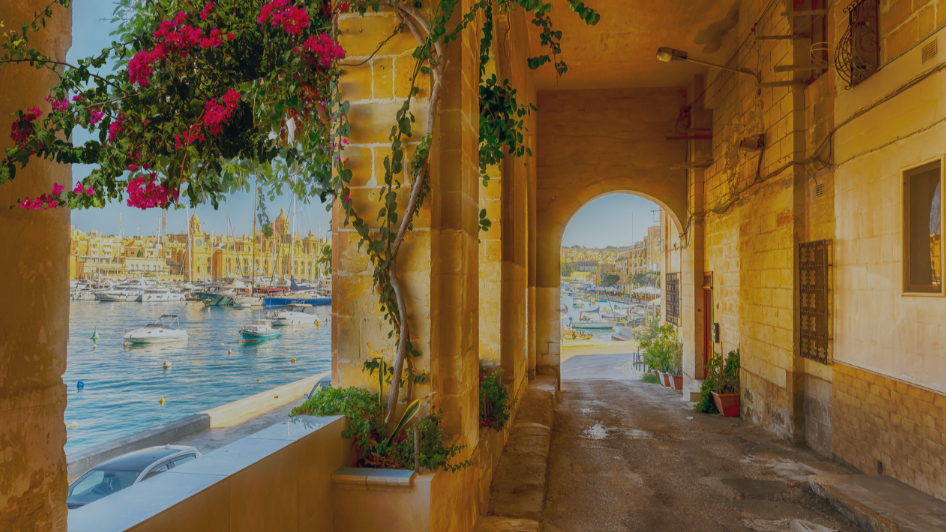
Increasingly, in recent years, the island nation of Malta has been positioning itself as one of Europe’s most stable and internationally accessible property markets. Supported by steady economic growth, a strong services sector, and continued foreign direct investment, the country has developed a reputation for consistency rather than volatility.
In recent years, residential property prices have recorded average annual increases of approximately 5% to 7%, reflecting sustained demand from both local buyers and internationally minded individuals. While Malta is a relatively small market, its real estate landscape is both dynamic and diverse, shaped by distinct locations that appeal to different buyer profiles.
For those exploring property ownership in Malta, understanding these local dynamics is often as important as understanding the broader market itself.
A Market Defined by Stability and Demand
Unlike larger European markets that can experience sharper cycles, Malta’s property sector has historically demonstrated resilience. This is supported by several underlying factors, including:
- A diversified economy with strong services, tourism, and international business activity
- Strong international business presence
- Continued population growth and inward migration
- Consistent demand for both ownership and rental property
At the same time, Malta remains open to foreign buyers, with established legal frameworks that allow international purchasers to participate in the market relatively easily compared to many other jurisdictions.
This combination of accessibility and demand has contributed to a market environment where well-located properties tend to move quickly, particularly in prime areas.
A Country of Micro-Markets
While often discussed as a single market, Malta is better understood as a collection of distinct micro-locations. Each area offers a different balance of lifestyle, accessibility, and investment characteristics.
From dense coastal hubs to quieter residential towns and rural environments, the diversity of locations allows buyers to approach Malta through a variety of lenses, whether lifestyle-driven, investment-focused, or a combination of both.
Sliema & St. Julian’s: Coastal Living and Consistent Demand
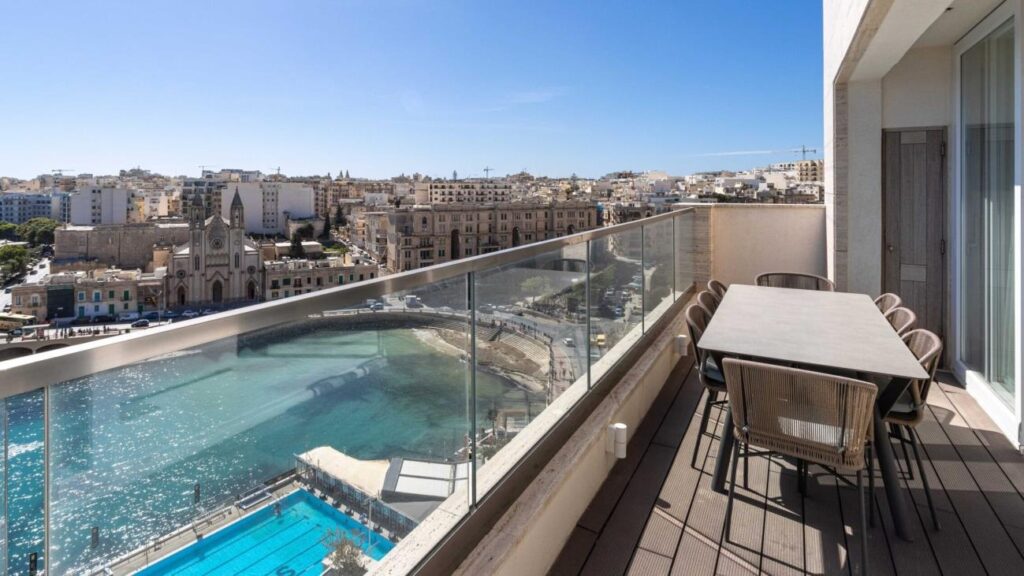
Sliema and St. Julian’s remain among the most established and sought-after property locations in Malta.
Positioned along the northeast coast, these areas combine waterfront living with a high concentration of restaurants, retail, offices, and entertainment venues. They are also among the most internationally oriented parts of the island, with a strong expatriate presence and consistent rental demand.
Property in these areas typically includes modern apartments, seafront developments, and high-spec residences, many of which command premium pricing due to their location and accessibility.
For many international buyers, Sliema and St. Julian’s represent the most immediate entry point into Malta’s property market, particularly for those seeking liquidity and strong tenant demand.
Valletta: Historic Character and Limited Supply
As Malta’s capital city and a UNESCO World Heritage site, Valletta offers a very different property profile.
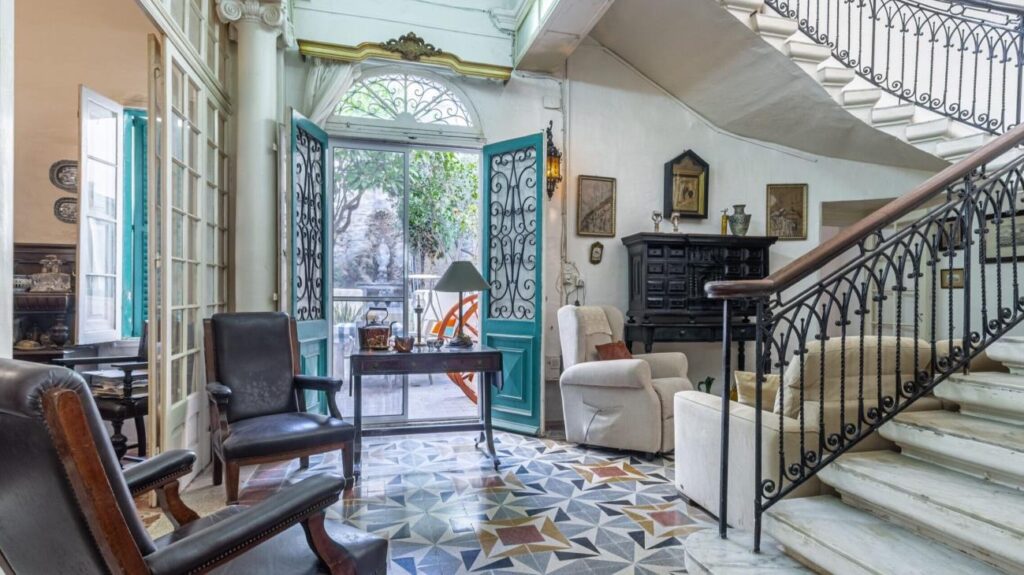
The city is defined by its historic architecture, cultural significance, and limited development space. As a result, property here is often more boutique in nature, with restored townhouses, apartments, and heritage buildings forming a significant part of the market.
While supply is inherently constrained, demand is supported by both local and international buyers drawn to the city’s unique character.
For some, Valletta represents a lifestyle choice rooted in history and culture. For others, it reflects a longer-term positioning in a highly distinctive European capital.
The North: Mellieħa and Surrounding Areas
In contrast to Malta’s more urban coastal hubs, the northern part of the island offers a quieter and more scenic environment.
Mellieħa, in particular, has attracted attention for its elevated views, proximity to beaches, and lower-density development. The area is often associated with lifestyle buyers seeking a more relaxed pace, while still remaining connected to the rest of the island.
Property here ranges from modern apartments to villas, with pricing generally more accessible than in central coastal areas.
For buyers prioritizing space, views, and a less urban environment, northern Malta presents a compelling alternative.
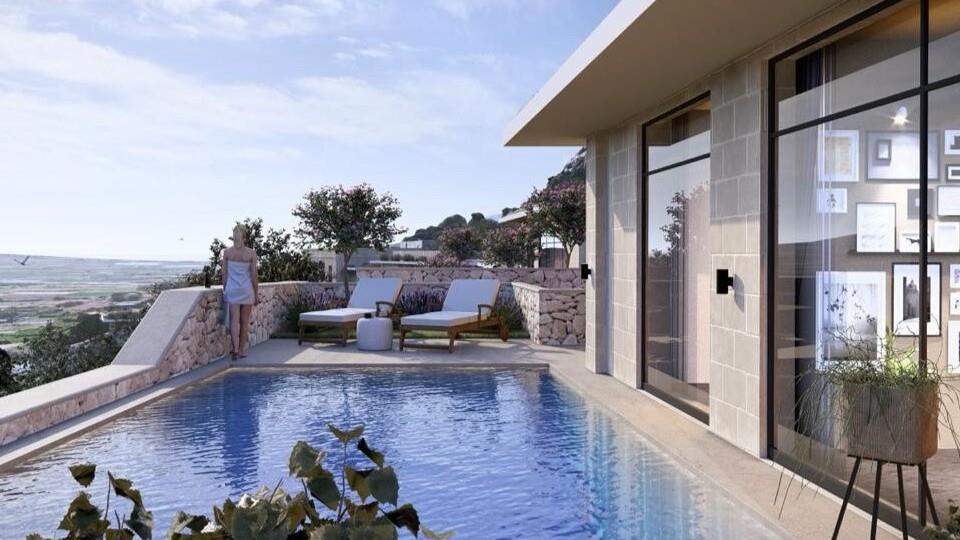
The South: Marsaskala and Emerging Demand
In the south of Malta, towns such as Marsaskala have become increasingly visible in recent years.
Traditionally more local in character, these areas have begun to attract both domestic and international buyers seeking relative value compared to the north and central regions.
Marsaskala, a coastal town, offers a combination of waterfront living and a slower pace of life, with ongoing development contributing to gradual shifts in perception.
While still evolving, southern locations illustrate how different parts of Malta are developing at varying speeds, creating opportunities for buyers willing to look beyond the most established areas.
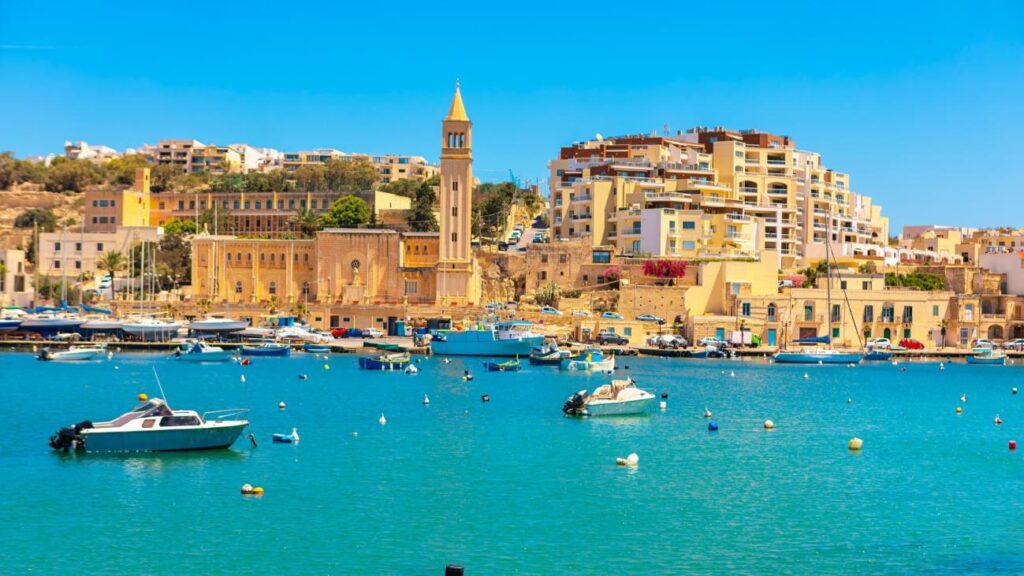
Gozo: A Different Pace of Living
Gozo, Malta’s sister island, represents a distinct property market in its own right.
Known for its rural landscapes, lower population density, and more traditional way of life, Gozo appeals to buyers seeking tranquility and separation from the busier main island.
Property in Gozo is often more affordable than comparable property in Malta’s prime central and coastal areas, although pricing varies significantly by location and property type.
For some buyers, Gozo is a lifestyle decision. For others, it forms part of a broader strategy involving multiple properties across different locations.
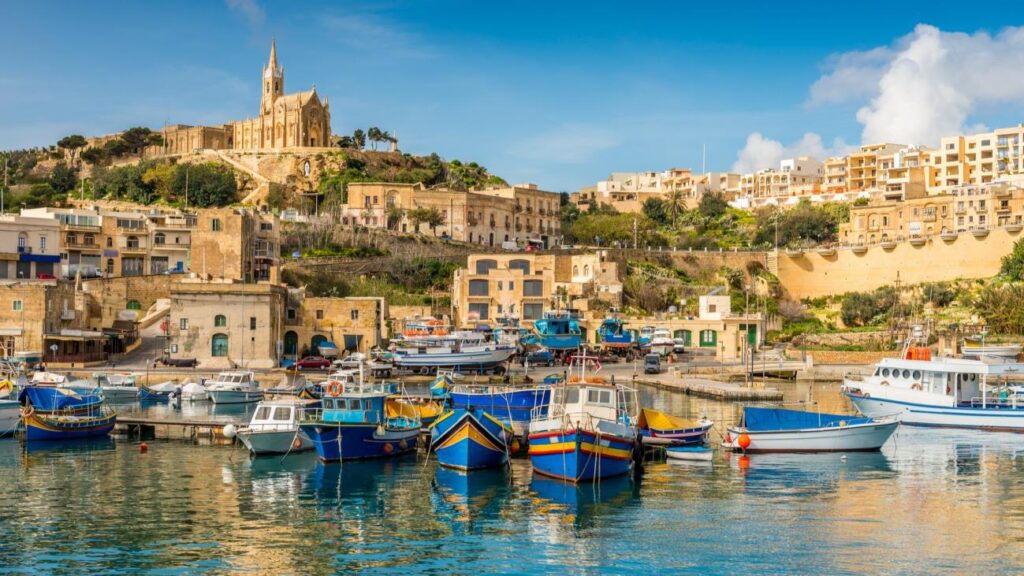
Special Designated Areas: A Distinct Segment of the Market
Within Malta’s property landscape, Special Designated Areas (SDAs) represent a specific category of developments that are particularly relevant to international buyers.
Located in prime areas such as Mercury Towers, Tigné Point, Portomaso, SmartCity, and Fort Cambridge, these developments offer high-quality residential environments with modern amenities.
One of the defining features of SDAs is that they allow non-EU nationals to purchase property without requiring an Acquisition of Immovable Property (AIP) permit. Buyers may also acquire multiple properties within these zones, which contributes to their liquidity and accessibility.
Importantly, properties within SDAs can also be rented out without restriction, making them particularly attractive for those considering rental income alongside personal use.
As a result, SDAs have become a visible segment of the market for internationally mobile individuals seeking a streamlined purchasing process within well-established developments.
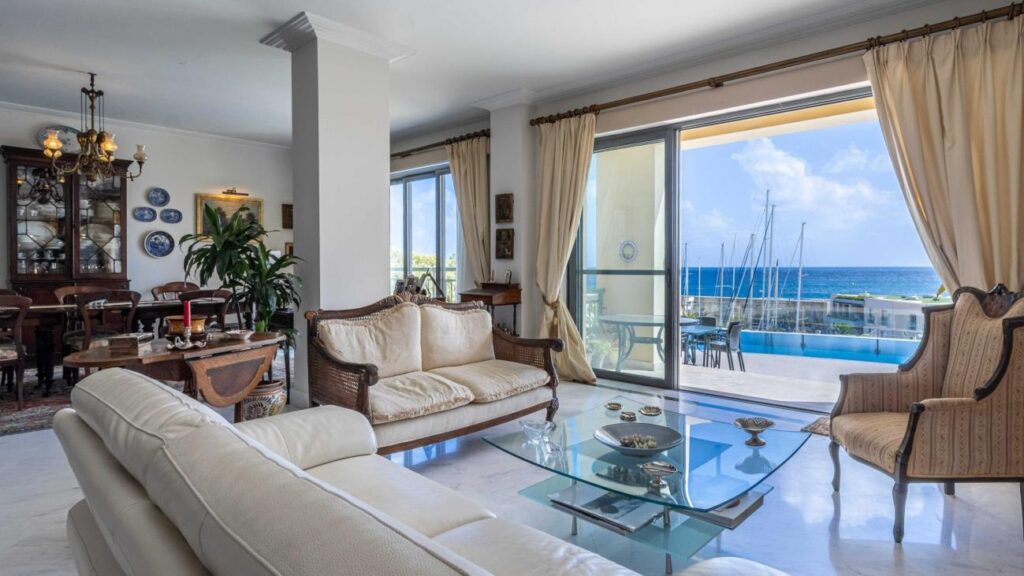
Rental Demand and Market Dynamics
Malta’s rental market continues to reflect strong underlying demand, particularly in central and coastal areas.
Well-priced properties in locations such as Sliema and St. Julian’s often let quickly, supported by a combination of expatriate professionals, international businesses, and local demand.
Rental pricing varies significantly depending on location, property type, and proximity to the coast, with prime areas commanding a premium.
At the same time, demand extends beyond short-term lets, with long-term rental markets remaining active across a range of property types and locations.
A Market Shaped by Accessibility and Diversity
Malta’s property market is defined not by scale, but by accessibility, consistency, and diversity.
Within a relatively small geographic area, buyers can access a wide range of property environments, from urban coastal hubs to historic city living and rural landscapes.
For internationally minded buyers, this diversity allows Malta to be approached not as a single opportunity, but as a collection of distinct markets, each offering its own combination of lifestyle appeal and long-term positioning.
As demand continues to be supported by economic stability and international interest, understanding these local dynamics remains central to navigating the market effectively.
At Latitude, we assist internationally mobile clients in navigating property markets across jurisdictions. This includes guidance on location selection, developer due diligence, transaction structures, and how property decisions align with broader lifestyle and global mobility strategies.
If you would like to learn more about the topics discussed in this article, please get in touch.
To read our article How to Buy Property in Malta, click here.